Local Products of Veria
Local Products of Veria
Fruit
Peaches
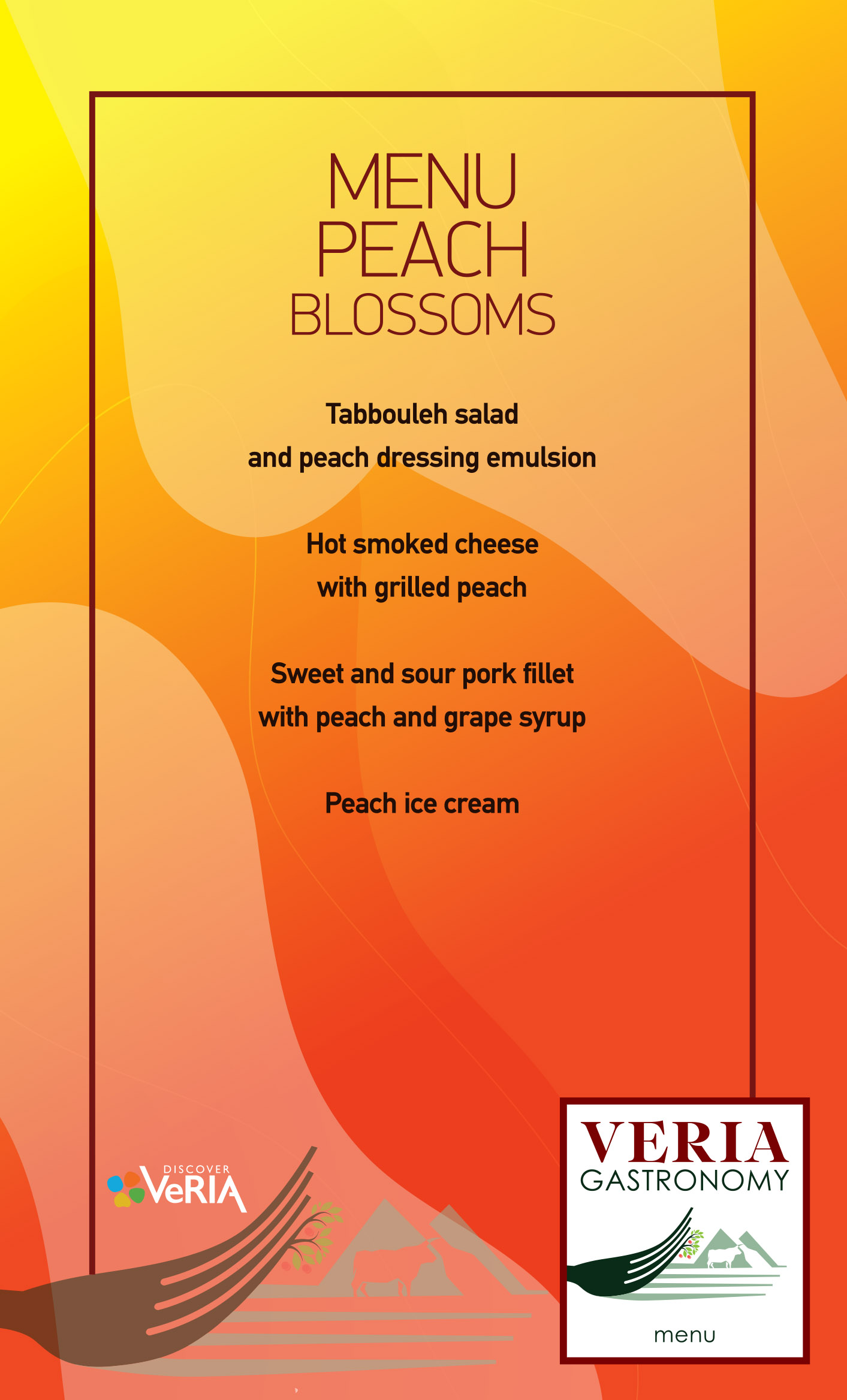
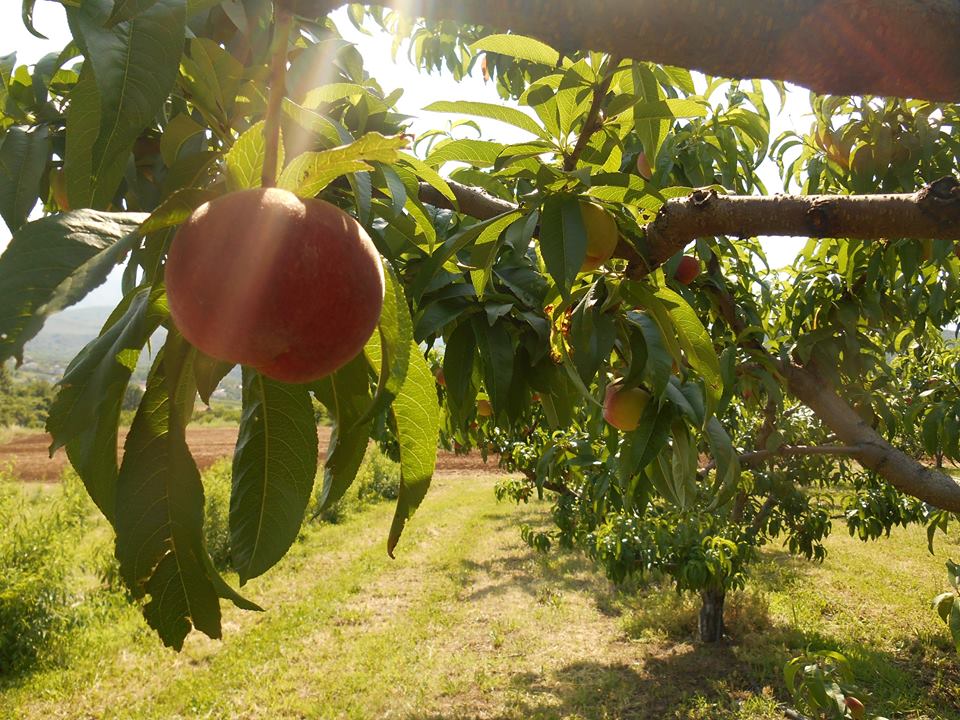
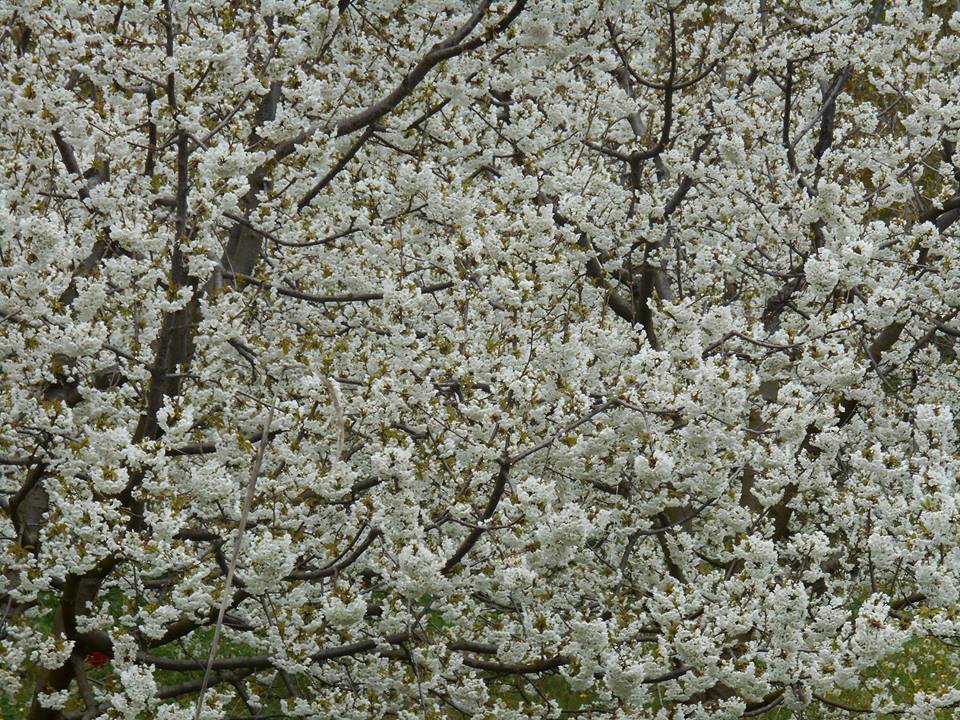
The landscape of Veria is strongly characterised by its blossoming peach orchards. Peach blossoms symbolise spring, rebirth and fertility, and have long been a source of inspiration for painters and artists.
Peaches are enjoyed fresh or as compote and are used in jams, confectionery, liqueurs, soft drinks and juices. The peach canning industry is highly developed in Veria, with significant export activity. The region is particularly known for its distinctive Yarmas peach variety and accounts for approximately 80% of Greece’s domestic peach production.
Apples
The Veria region is one of Greece’s leading apple-producing areas. Among the main varieties are Starking and Firiki. Apple cultivation is particularly demanding, requiring careful pruning, spraying and sufficient irrigation to ensure high-quality fruit.
The trees benefit from the relatively low temperatures and high altitude of the region. Harvesting takes place between September and November, both manually and with mechanical harvesting systems. Apples are consumed fresh or processed into products such as juice.
Apples have considerable nutritional value and contribute to general health, digestive function and cardiovascular well-being.
Plums
There are more than 40 varieties of plums, with the European plum (Prunus domestica) and the Japanese plum (Prunus salicina and its hybrids) being the best known worldwide.
Plums are commonly consumed in dried form. Dehydration extends their shelf life while retaining much of their nutritional value. Veria’s plums are available fresh, dried and as juice. Local agricultural cooperatives distribute approximately 500,000 plums annually.
Figs
Figs are among the earliest cultivated fruits. Traditionally, they were dried and stored for later consumption. A quintessential Mediterranean fruit, the fig is closely associated with August and has been an integral part of the human diet for at least 3,000 years.
Dried figs are processed to achieve moisture levels ranging from 14–20% to 30%. Compared with other dried fruits, such as apricots and apples, low levels of sulphur dioxide are used to stabilise their colour.
Fresh figs are available from late summer to autumn, depending on the variety. They can be used to make syrups, jams, compotes and traditional spoon sweets, or enjoyed fresh on their own or in fruit salads.
They also complement savoury dishes featuring beef, duck or lamb. Figs are best served at room temperature to fully appreciate their flavour.
Cornelian Cherries
Hippocrates used the leaves of the cornelian cherry tree to prepare herbal infusions for various stomach ailments.
Cornelian cherries can be enjoyed fresh or added to yoghurt, pancakes and fruit cakes. They also combine well with berries and strawberries, offering a variety of flavours and antioxidant compounds.
Vegetables
Rizomata Tomatoes
Rizomata is located approximately 37 kilometres south of Veria, on the western slopes of the Pieria Mountains, at an altitude of 600 metres. Its former name was Bostani. From the top of the village’s rocky viewpoint, visitors can admire the beautiful settlement and the magnificent landscape stretching from the Pieria Mountains of Imathia to Mount Vermio.
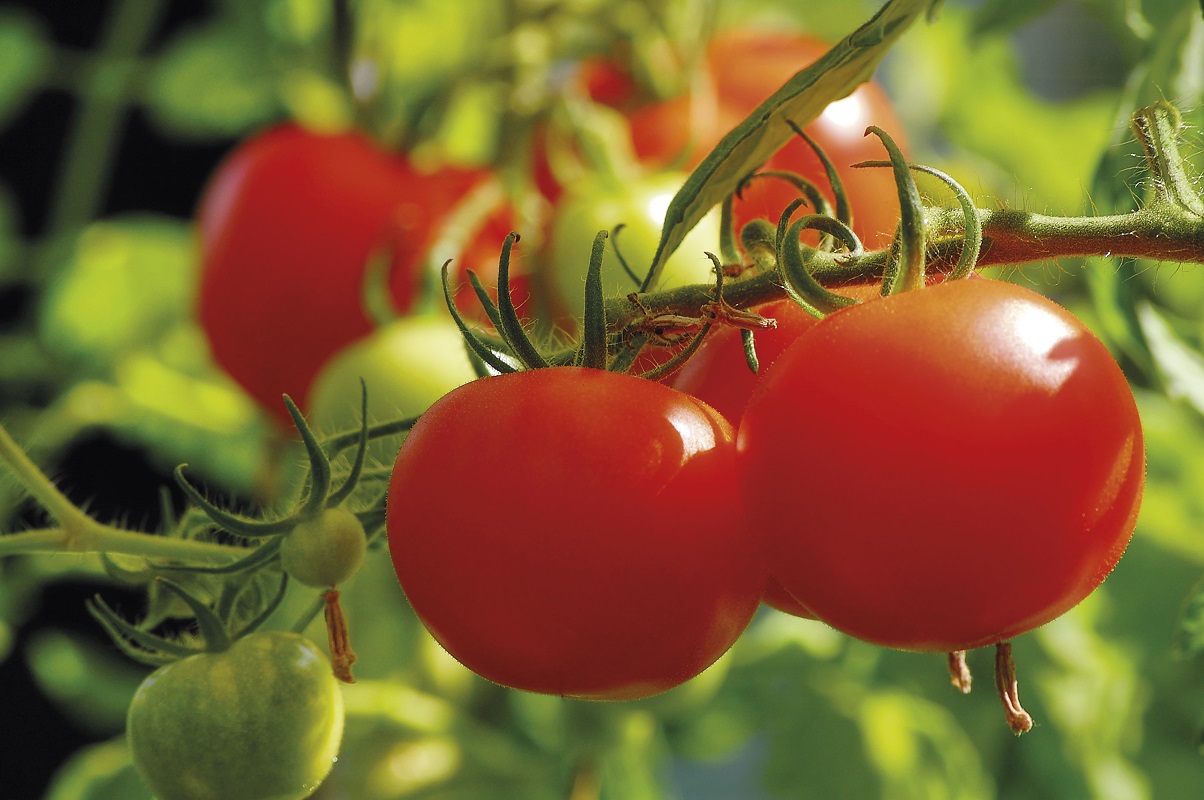
Rizomata and the surrounding mountain villages are renowned for their exceptionally flavoursome tomatoes, including the Ekstasi variety. Tomato cultivation became a major agricultural activity after local farmers gradually abandoned tobacco production.
Although Imathia is widely known for its peaches, cherries, apples and nectarines, Rizomata tomatoes have also gained considerable recognition in the Greek market.
Thanks to their exceptional quality, they have established a strong reputation and are increasingly sought after by consumers throughout Greece, including the Aegean islands.
Agios Georgios Peppers
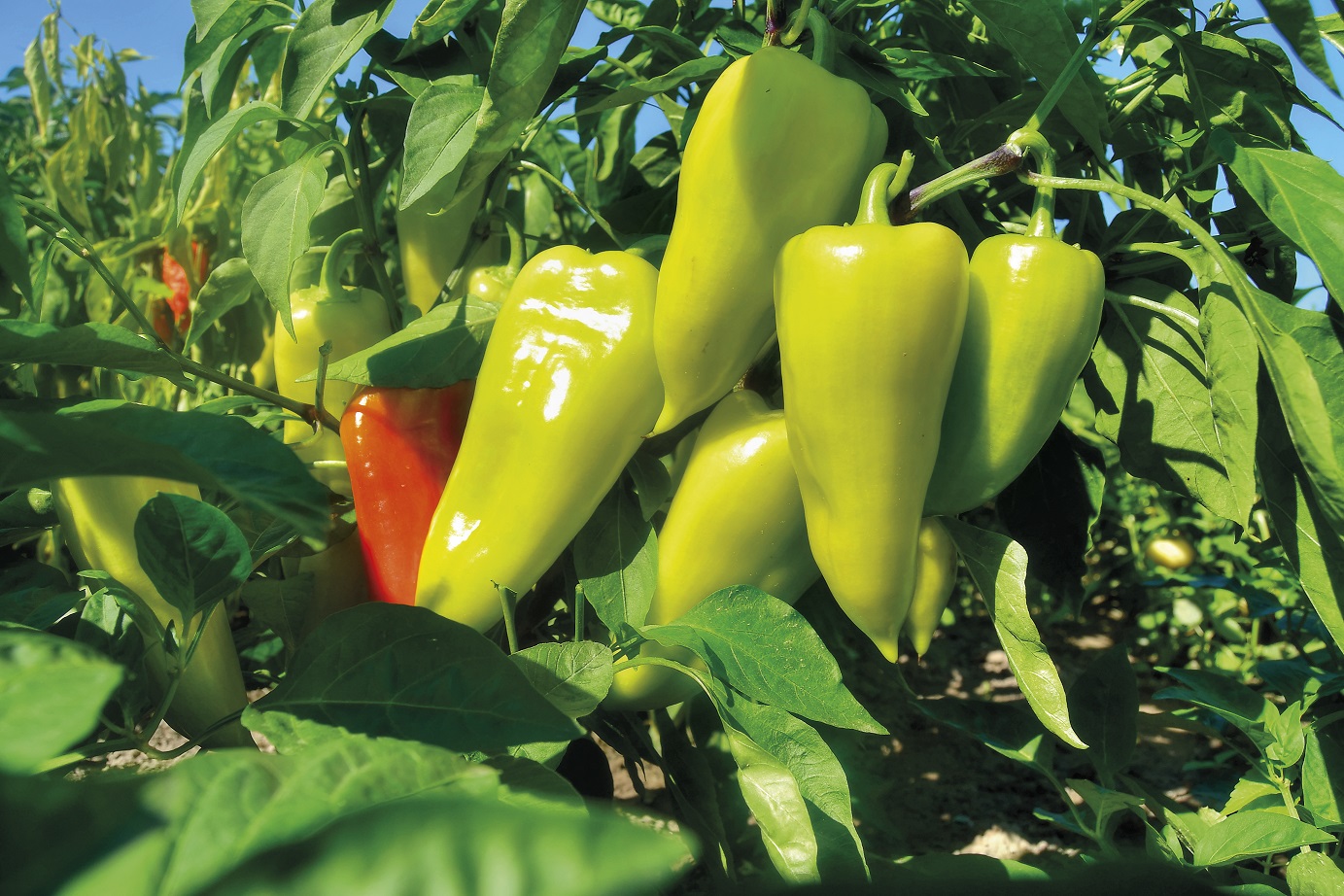
Agios Georgios is a large and attractive settlement situated on the plains of the Municipality of Veria. It has gained nationwide recognition as one of Greece’s leading pepper-producing areas.
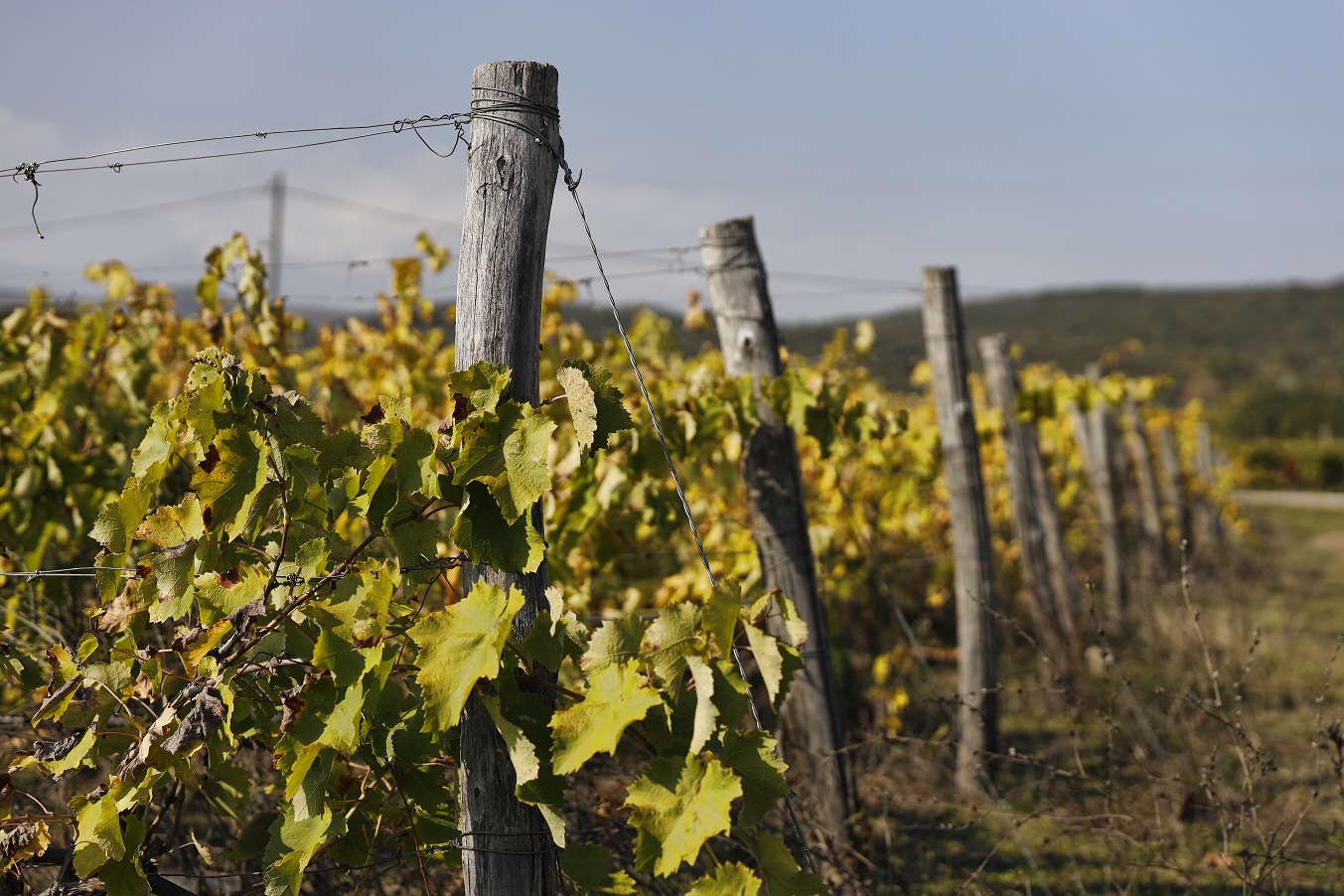
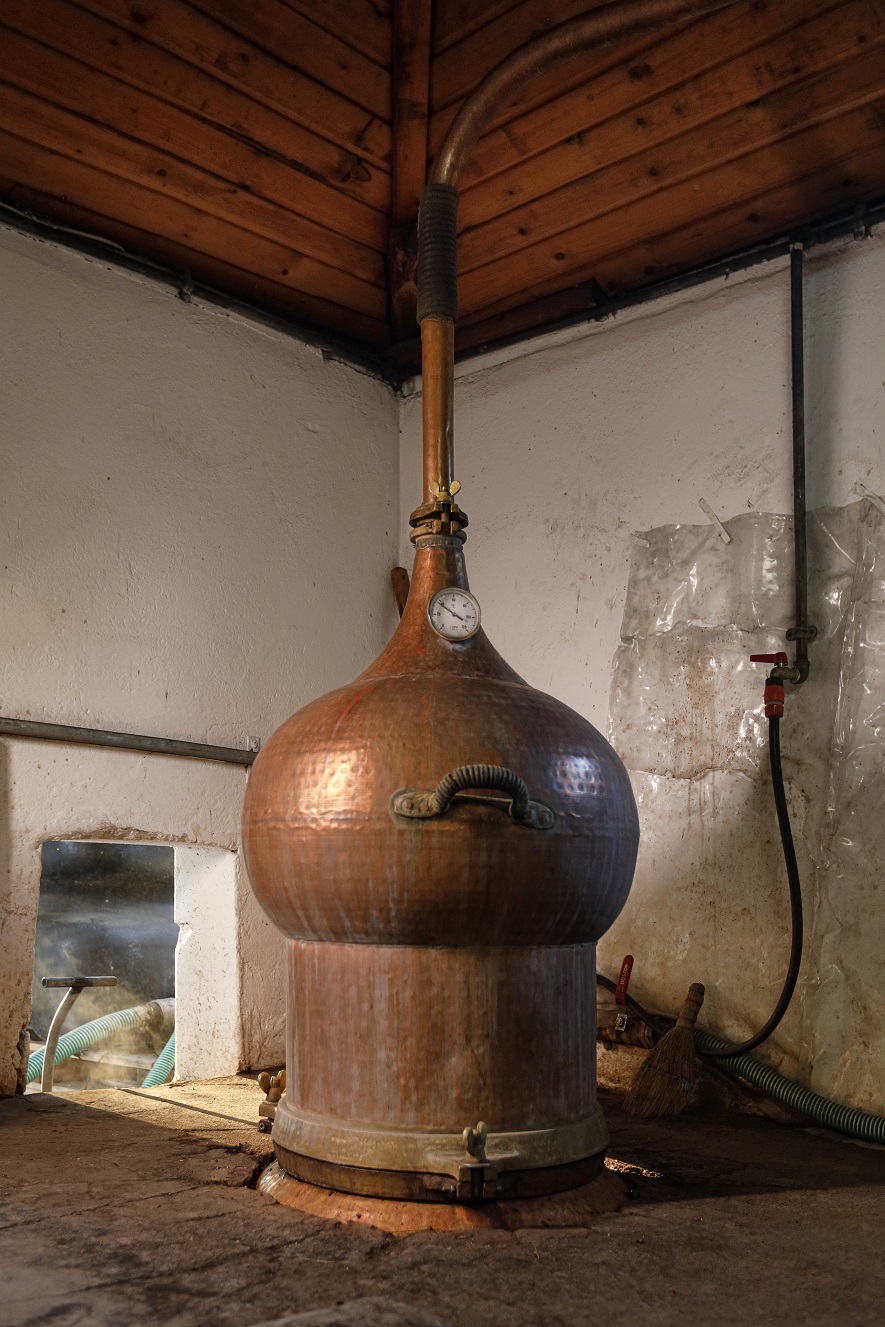
The inhabitants are primarily engaged in agriculture, with livestock farming and winemaking playing a smaller role. They also produce excellent tsipouro, mainly for domestic consumption. The main pepper varieties cultivated are Dovra, Raico and Dolma.
The village is renowned for its peaches and high-quality vegetables, particularly peppers. According to local production figures, approximately 70% of the country’s pepper production originates from Agios Georgios.
Several agricultural cooperatives operate in the area, undertaking the collection, processing, packaging and distribution of fresh fruit and vegetables in domestic and international markets. The area also has facilities for processing peaches into juice and compote, as well as vinegar production facilities. Shops within the village serve the everyday needs of residents.
The village’s association with pepper cultivation dates back to the mid-1960s, when local residents constructed the first wooden greenhouses. Technological advances, improved facilities, Greece’s accession to the European Economic Community and favourable market prices during the 1970s and 1980s encouraged the widespread adoption of pepper cultivation.
The product became well known throughout Greece and neighbouring Balkan countries. Today, more than 200 hectares of greenhouse vegetables are cultivated in Agios Georgios.
Wild Garlic
Wild garlic flowers between April and June. This Mediterranean plant is relatively common in Greece and thrives in moist, cool and shady deciduous forests, abandoned fields and rocky slopes with shrubs, usually at low and medium altitudes.
The entire plant has a distinctive garlic aroma. It can be used in cooking in much the same way as ordinary garlic, although its flavour is milder.
Almonds
Almonds are among the world’s most popular edible nuts. They are particularly delicious and rich in nutrients, including beneficial fatty acids, antioxidants, proteins, vitamins, minerals and trace elements.
They can be enjoyed raw, roasted or salted, added to salads and yoghurt, incorporated into desserts, or ground into sauces, dressings and savoury dishes.
Chestnuts
Chestnuts are among the most popular foods associated with winter. Delicious when roasted or boiled, they can also be used in a wide variety of recipes.
Local Meat Products of Veria
Veria Beef and Veal
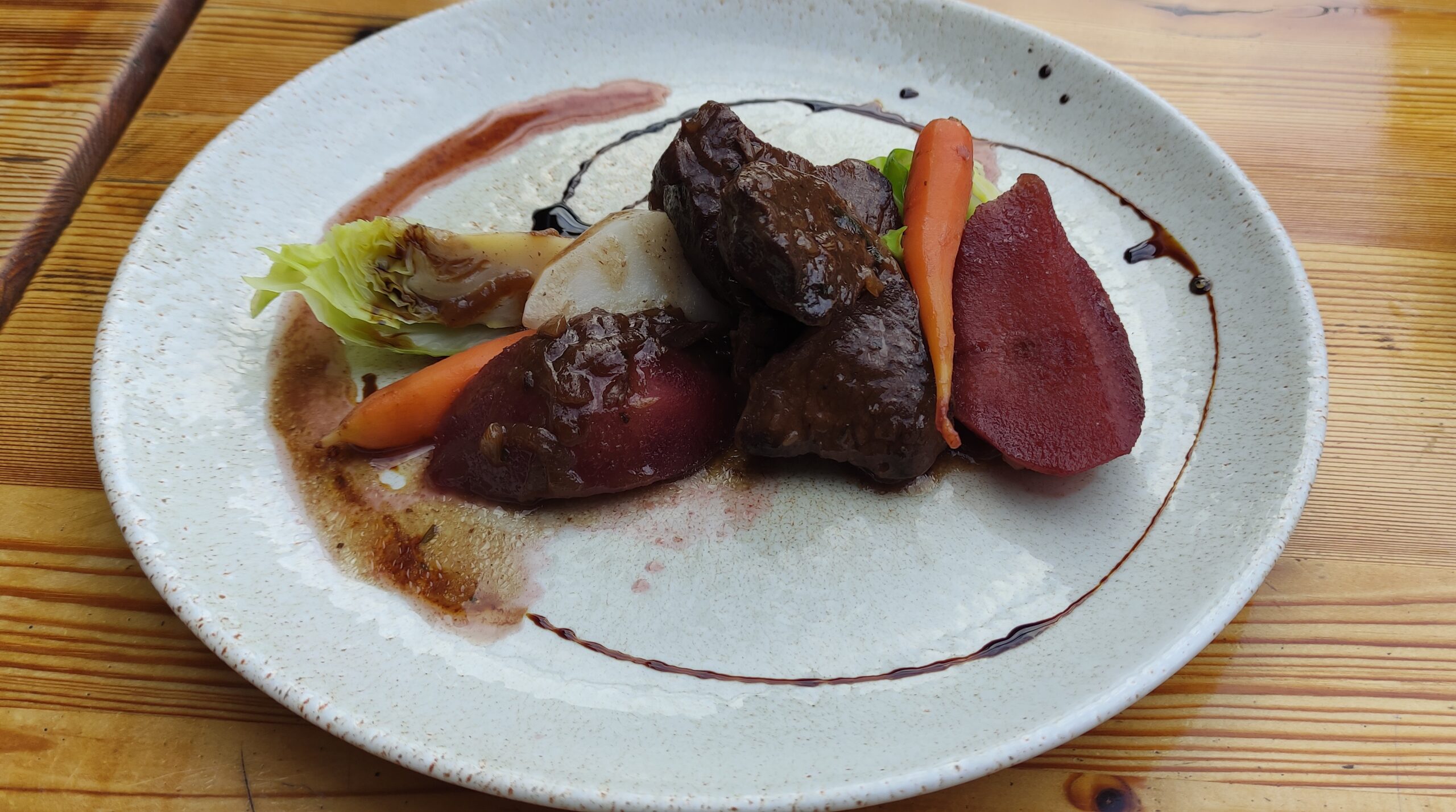
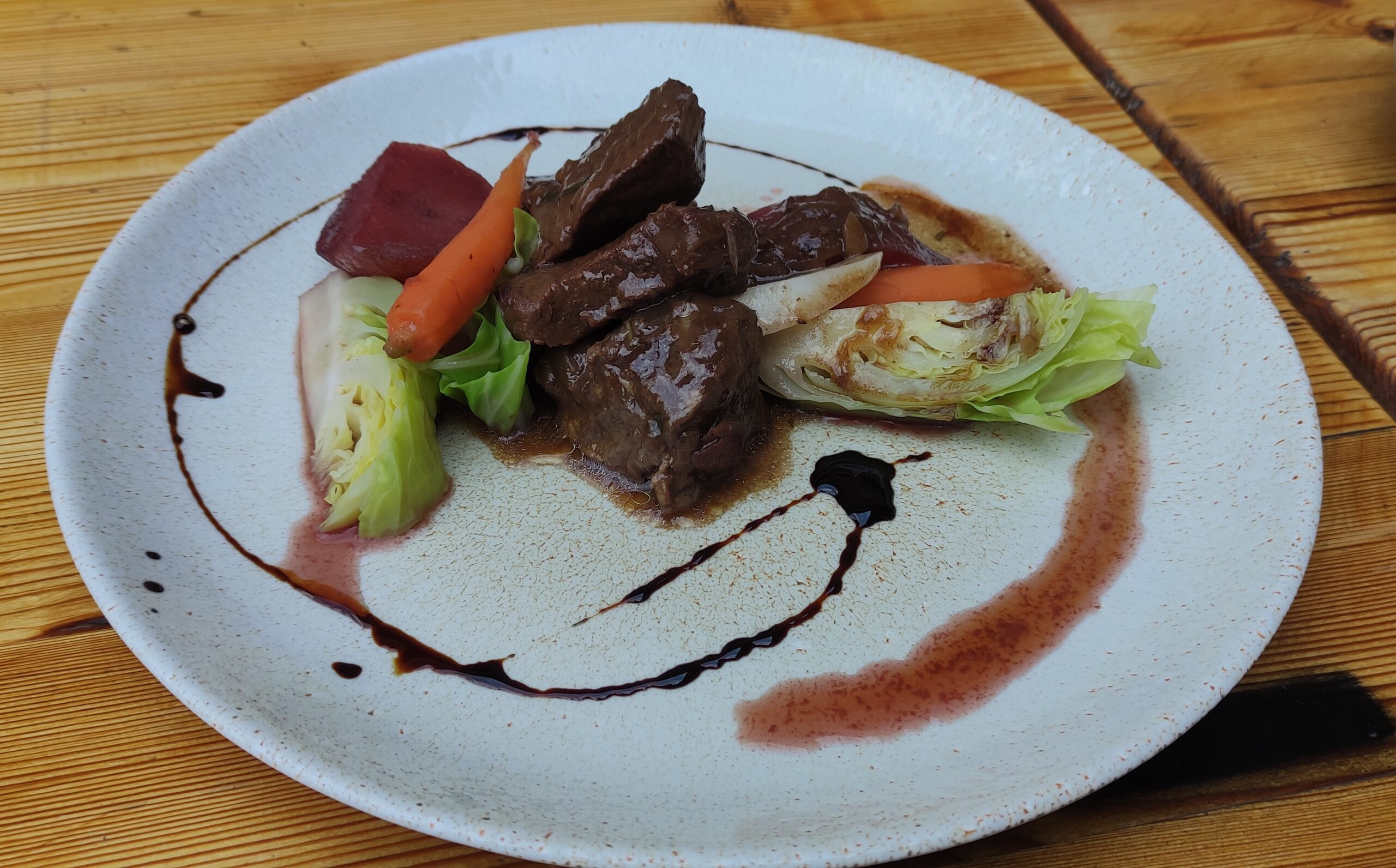
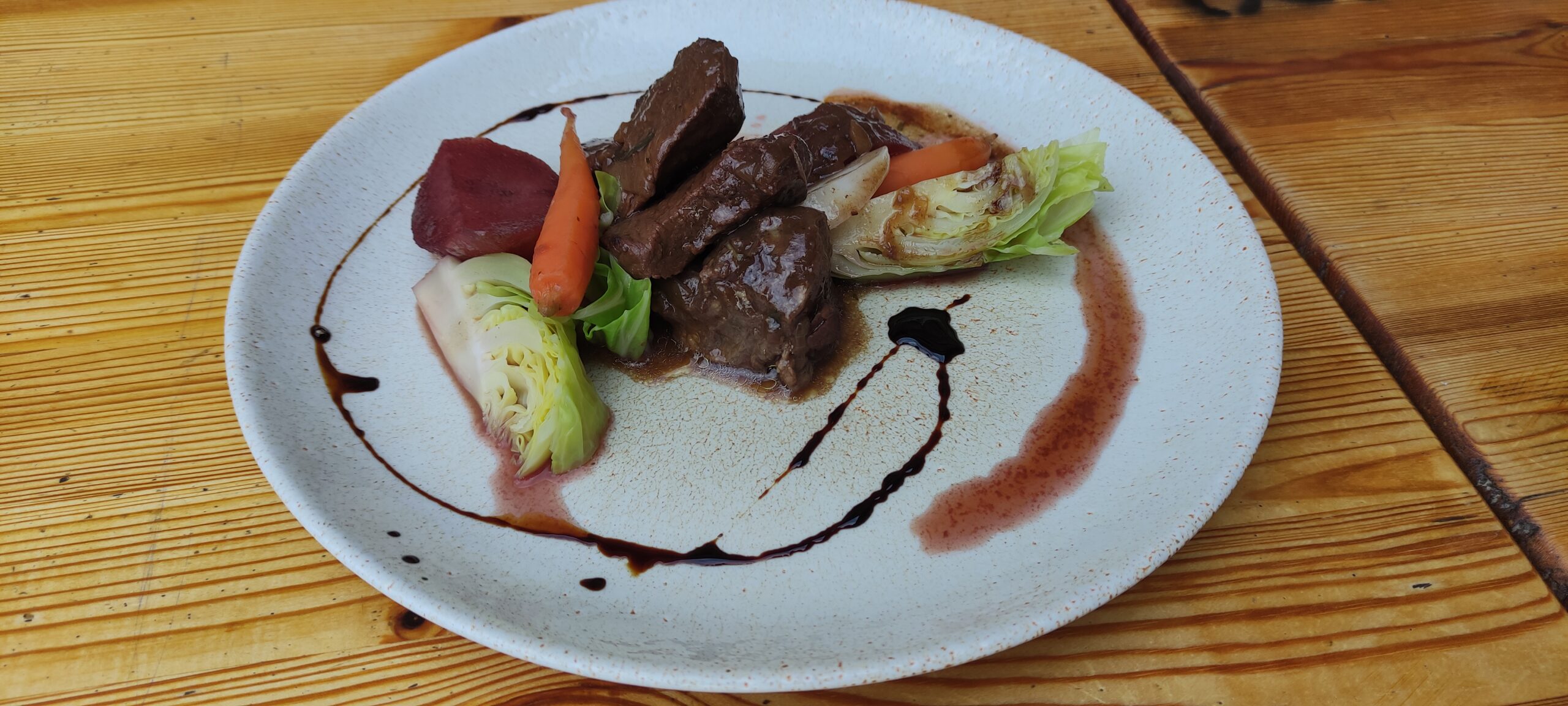
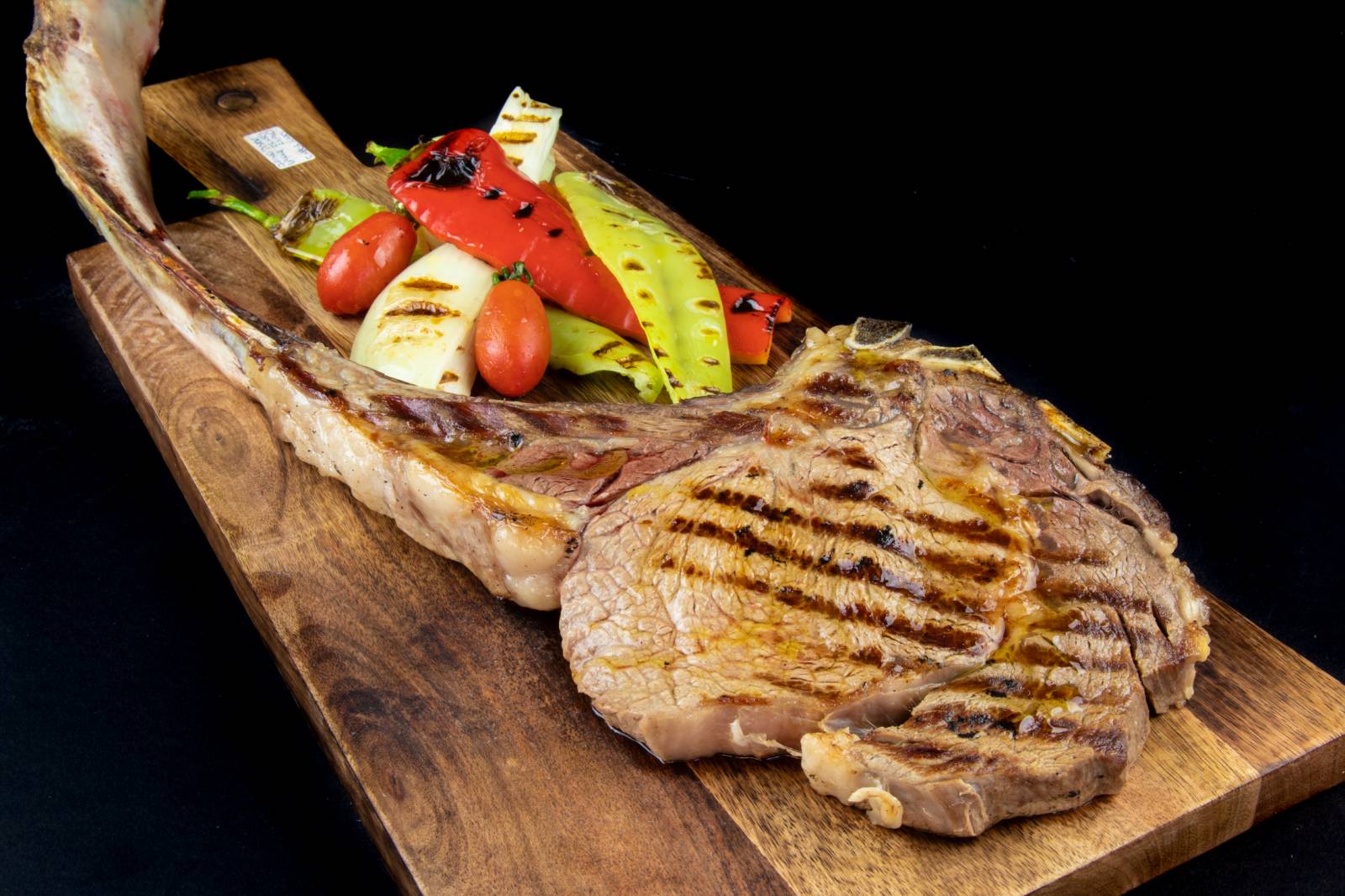
Veria is widely regarded as one of Greece’s leading livestock farming centres. The region has developed a distinctive tradition of organised cattle farming over approximately 80 years, with numerous modern livestock facilities operating within a few kilometres of the city.
The main cattle breeds raised in the area are of French origin, including Limousin, Blonde d’Aquitaine and Charolais.
The history of organised cattle farming dates back to the 1940s, when livestock farmers who had previously grazed their animals in the mountainous areas of Mount Vermio were forced by the war to relocate to the plains surrounding Veria. There, they established some of Greece’s first organised cattle-fattening facilities.
Since then, Veria beef and veal have become associated with distinctive quality and sensory characteristics and are recognised throughout Greece for their superior quality.
Local Cheeses of Veria
Veria Feta
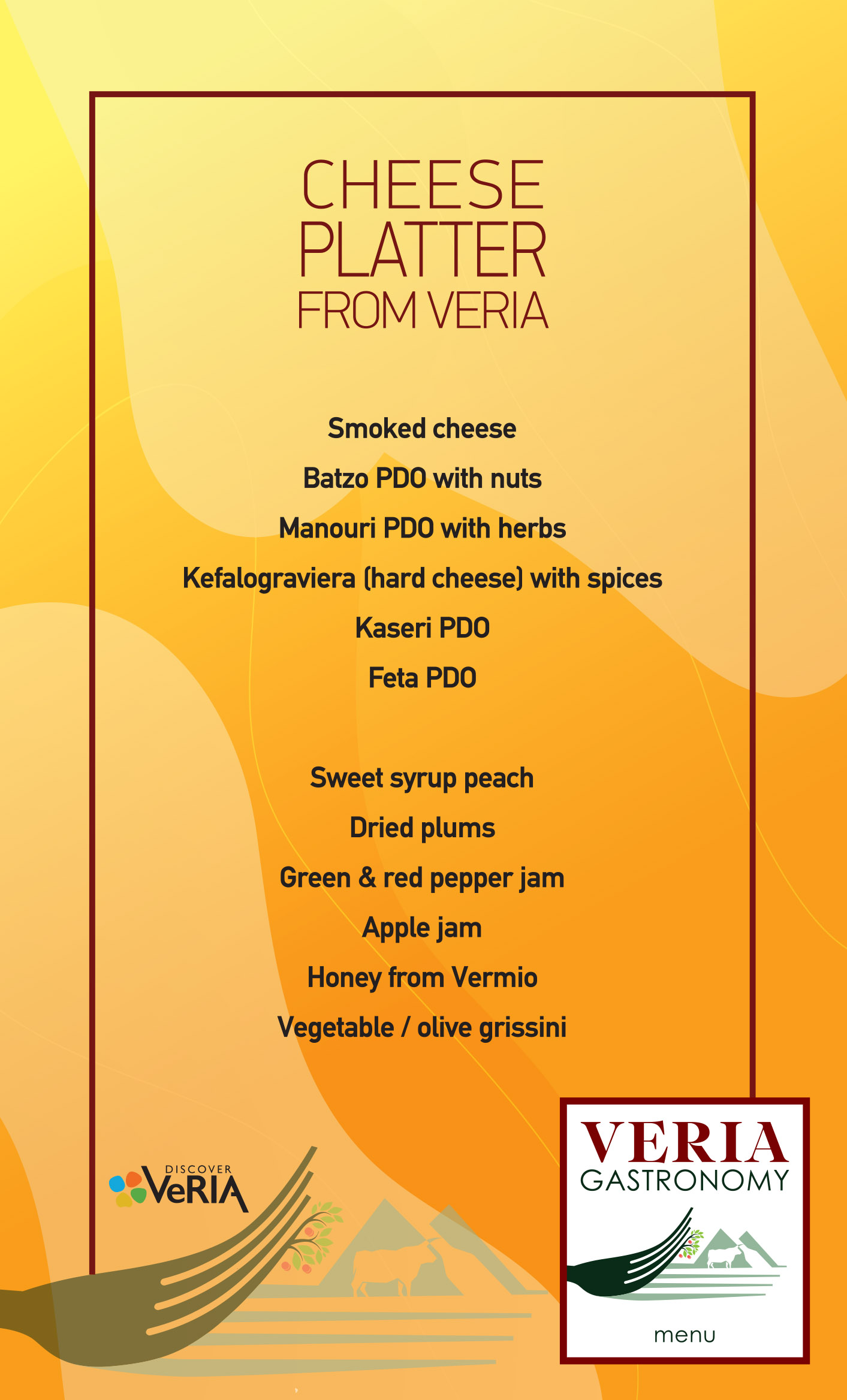
Salty and slightly tangy, Feta (PDO) is a cheese with a rich flavour and a remarkable history. Its production methods reflect Greece’s unique landscape and draw upon knowledge accumulated over more than two millennia.
Although the name feta, referring to the slicing of the cheese, dates back to the 17th century, the cheese itself has a much longer documented history.
Today, feta is a flagship Greek product with a protected geographical identity and accounts for approximately 10% of Greek food exports, reflecting its exceptional international reputation.
Feta is produced exclusively from the milk of native sheep and goat breeds.
Batzos
Batzos is considered one of the oldest Greek cheeses. Its origins lie in the traditions of livestock farmers from the northern Pindus Mountains, who moved their flocks to the plains of Central Macedonia and Thessaly during winter.
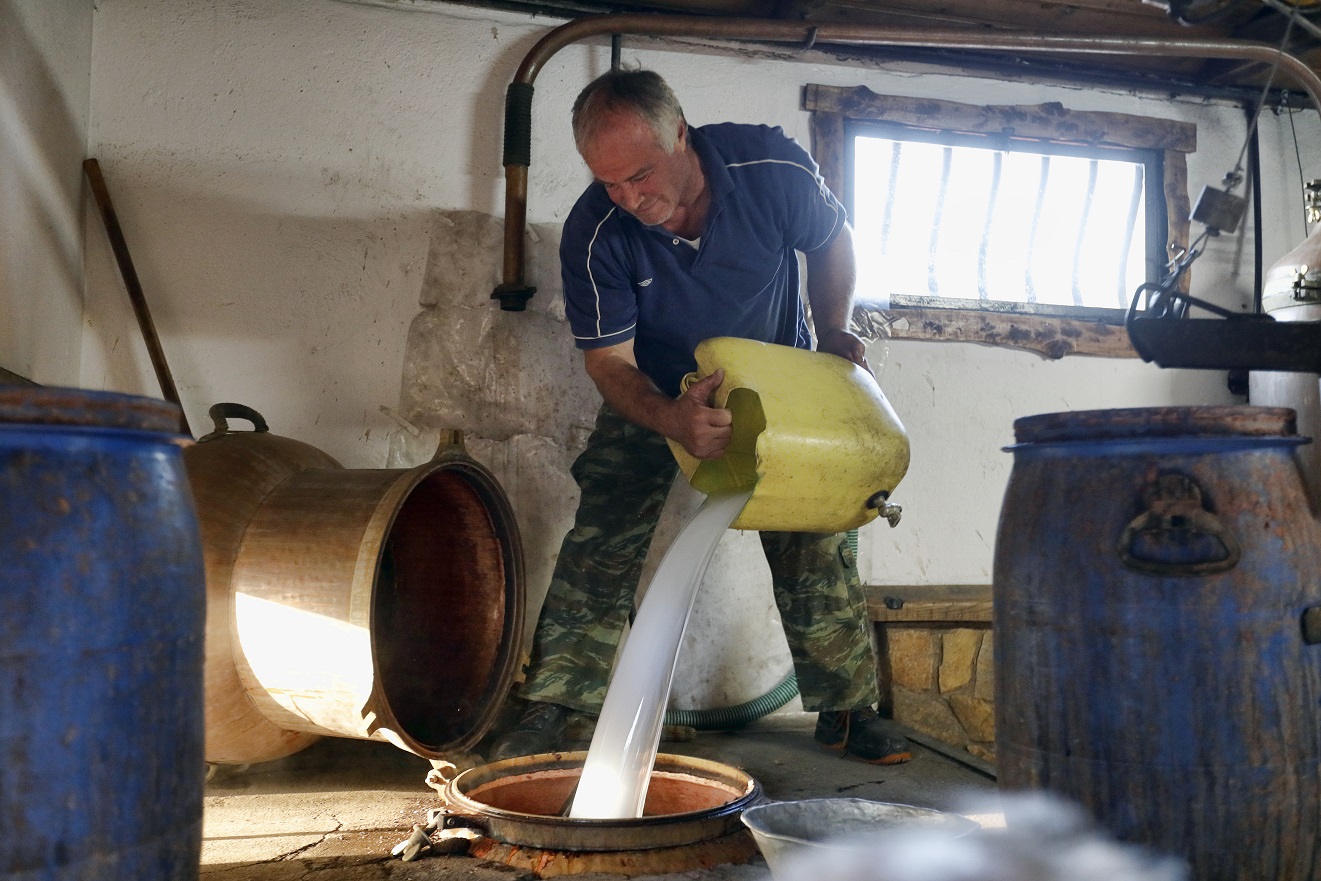
It is made from sheep’s milk, goat’s milk or a combination of both, with salt and rennet. Its production developed alongside that of feta.
Batzos is a traditional white, semi-hard to hard cheese without a rind, containing numerous small holes. It has a pleasantly tangy, slightly spicy, peppery and distinctly salty flavour.
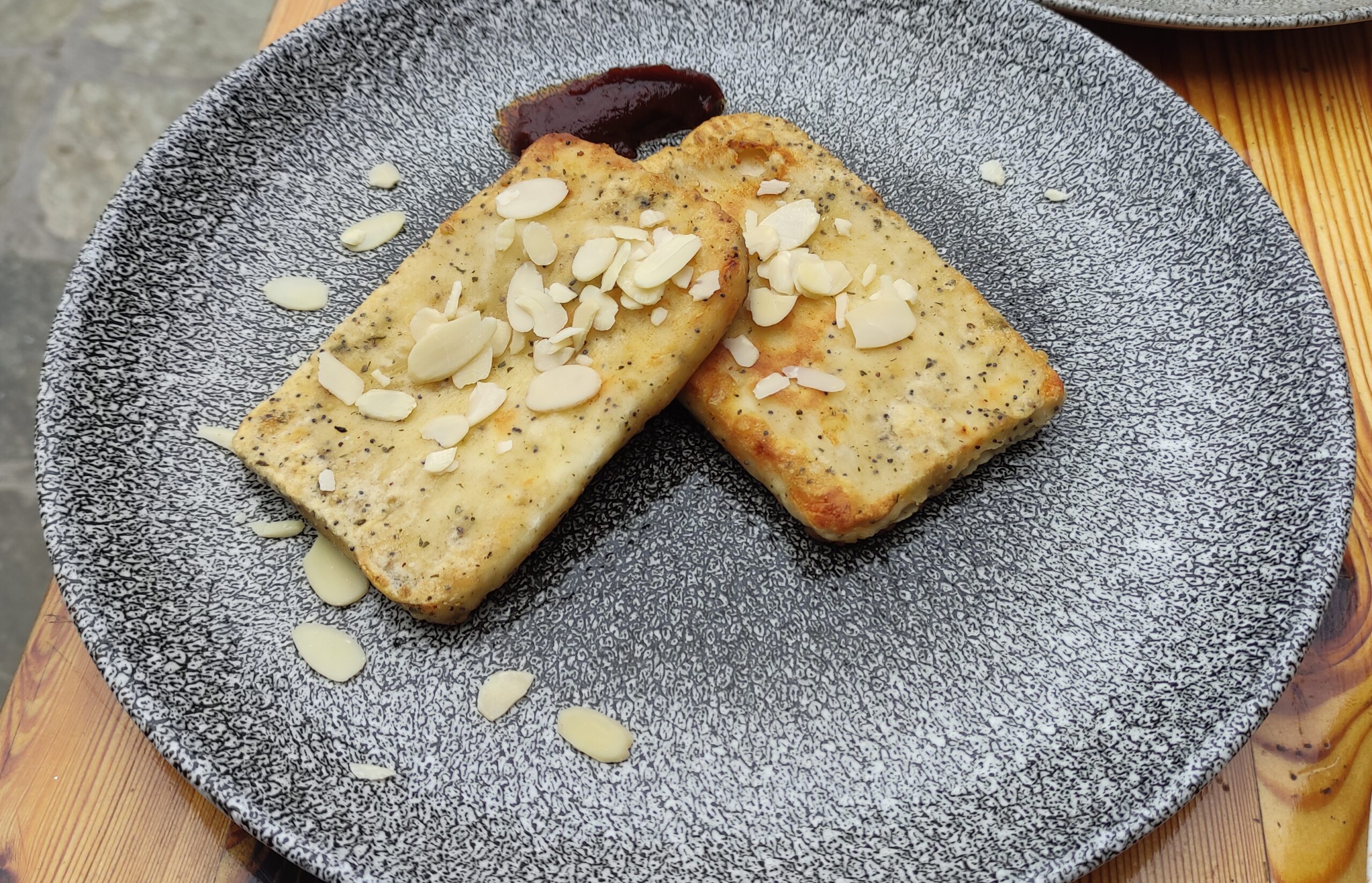
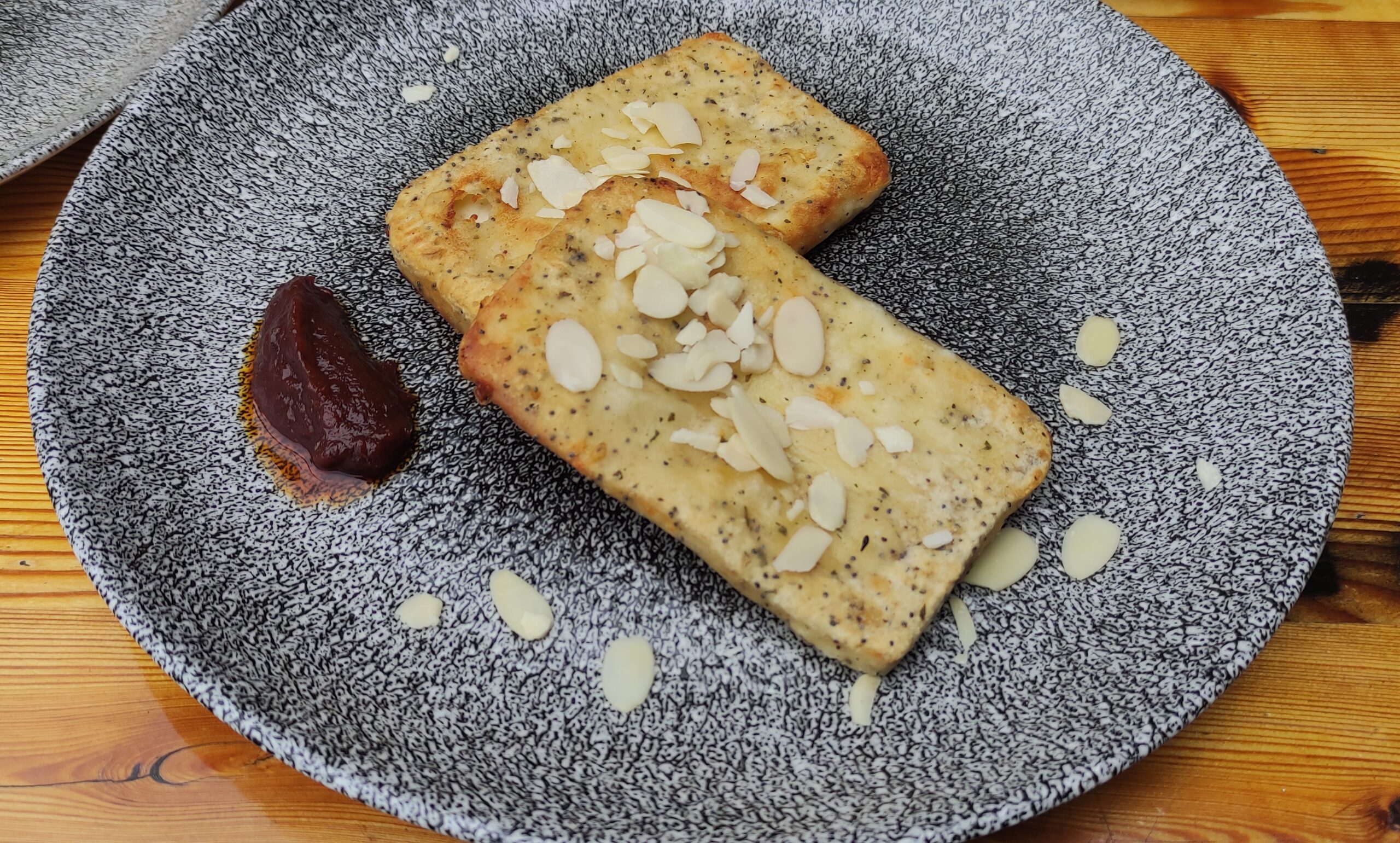
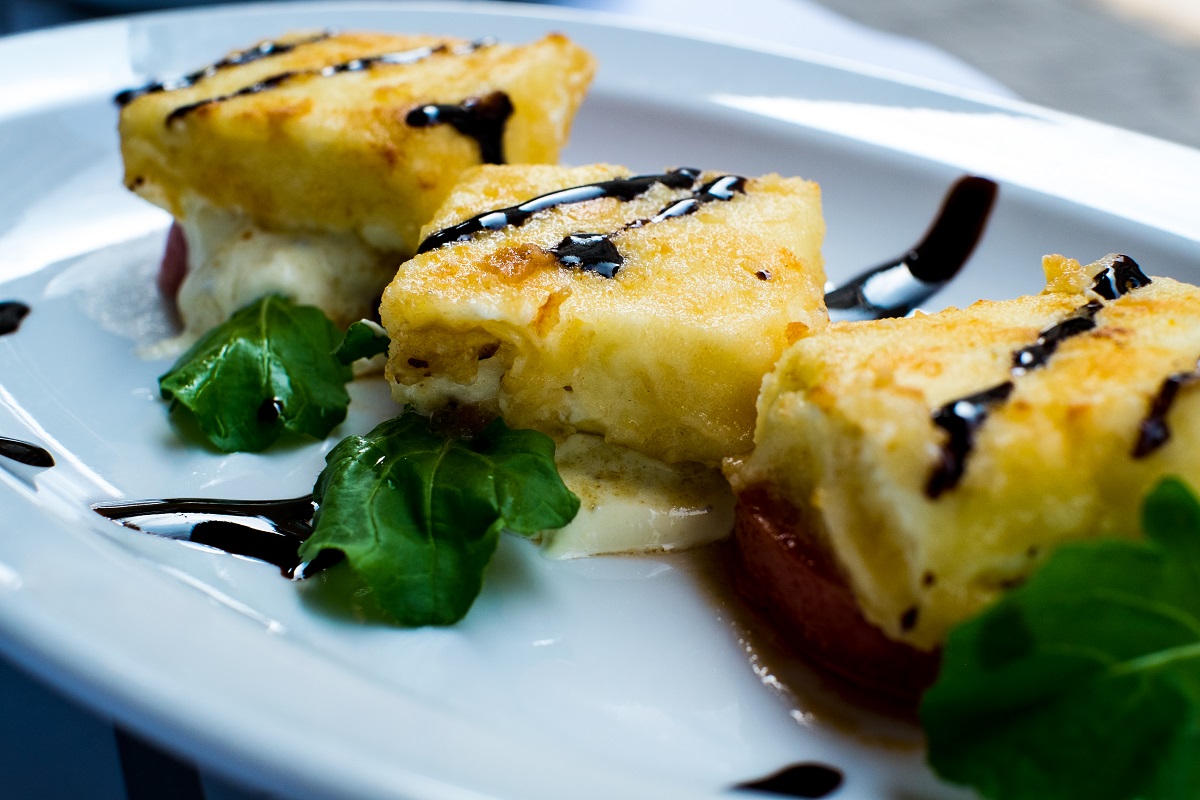
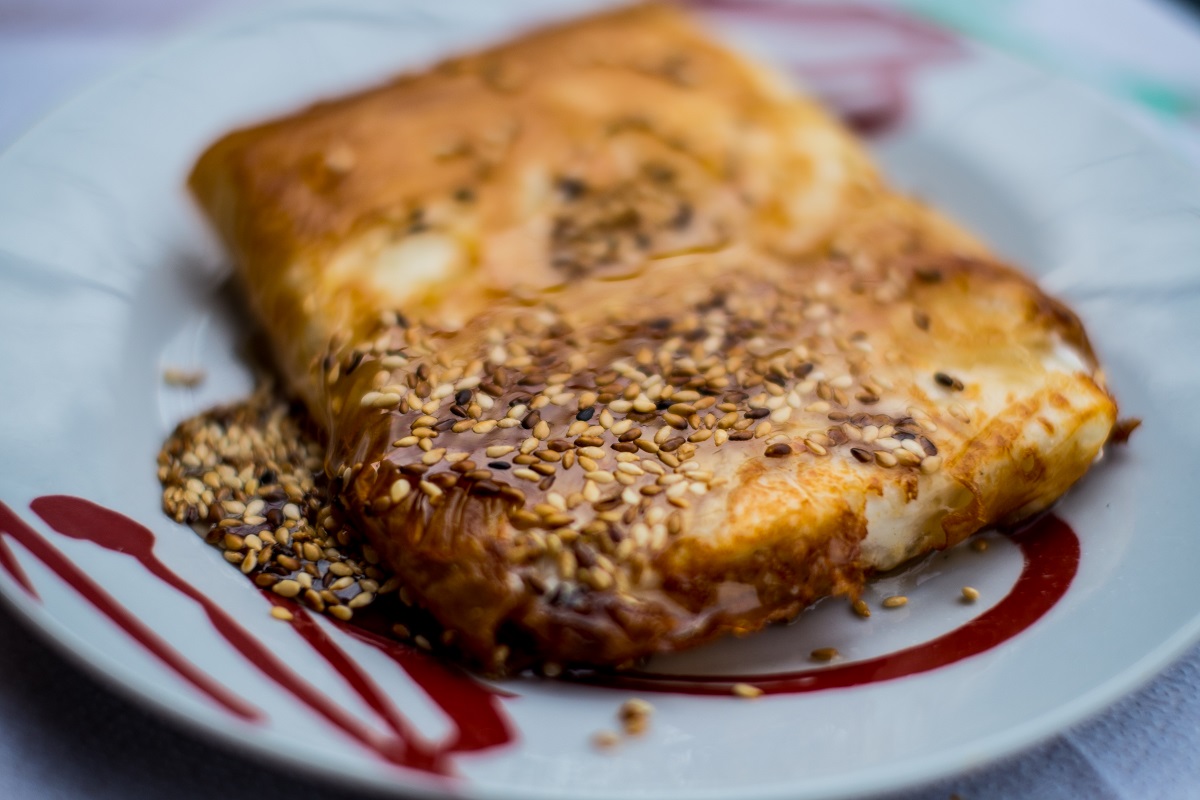
Its relatively low fat content makes it particularly suitable for grilling and frying. It is commonly served as saganaki, fried with flour or eggs, or incorporated into appetisers and main courses. Fried Batzos is an excellent accompaniment to ouzo or tsipouro.
Since 1996, Batzos has been protected by the European Union as a Protected Designation of Origin (PDO) product in Western Macedonia, Central Macedonia and Thessaly.
The fat-rich whey remaining after its production is used to make manouri cheese or butter.
Manouri
Manouri is produced in Thessaly, Western Macedonia and Central Macedonia. It has held Protected Designation of Origin (PDO) status since 1996, while its production methods have been recognised under Greek legislation since 1988.
It is a white cheese made from a mixture of whey and fresh full-fat milk, sometimes enriched with fresh cream. The finest varieties are produced using whey obtained from hard cheeses.
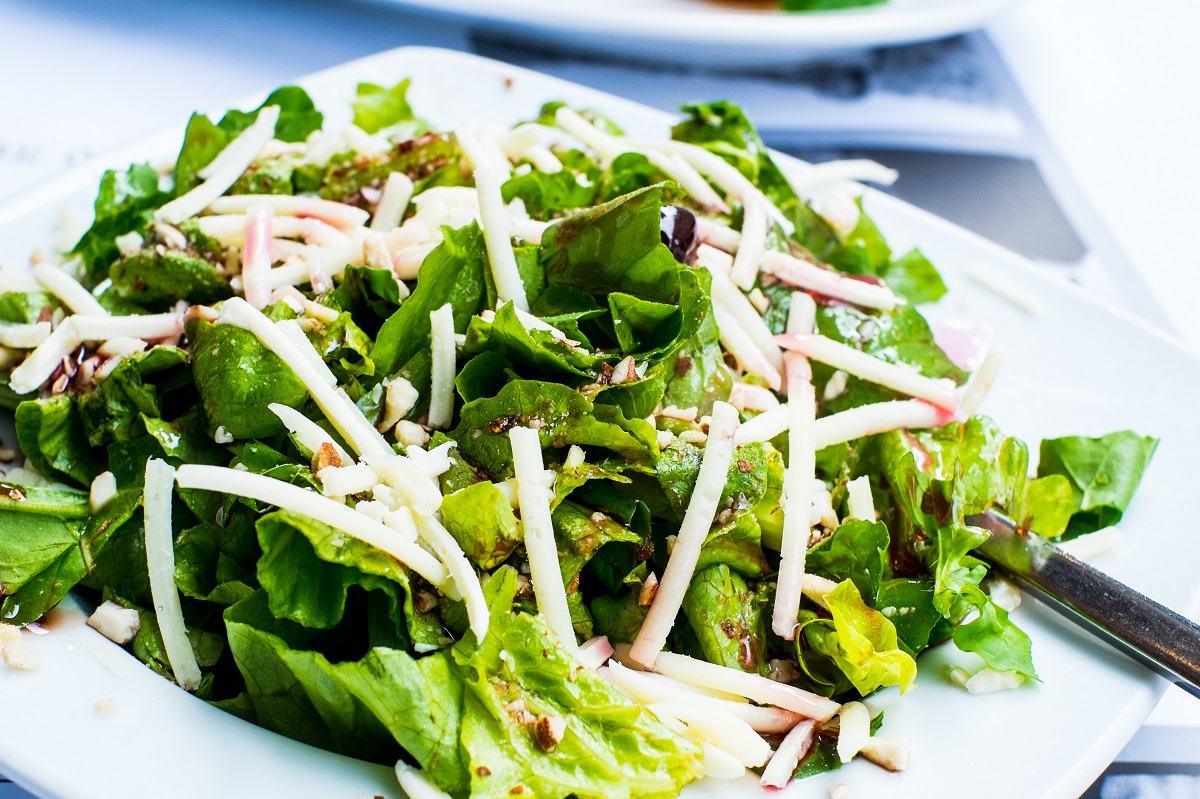
Manouri is a traditional, high-quality cheese with a particularly rich fat content. It is soft, compact and smooth, without holes or a rind. Its characteristic texture is achieved through continuous heating and stirring during production.
Kasseri
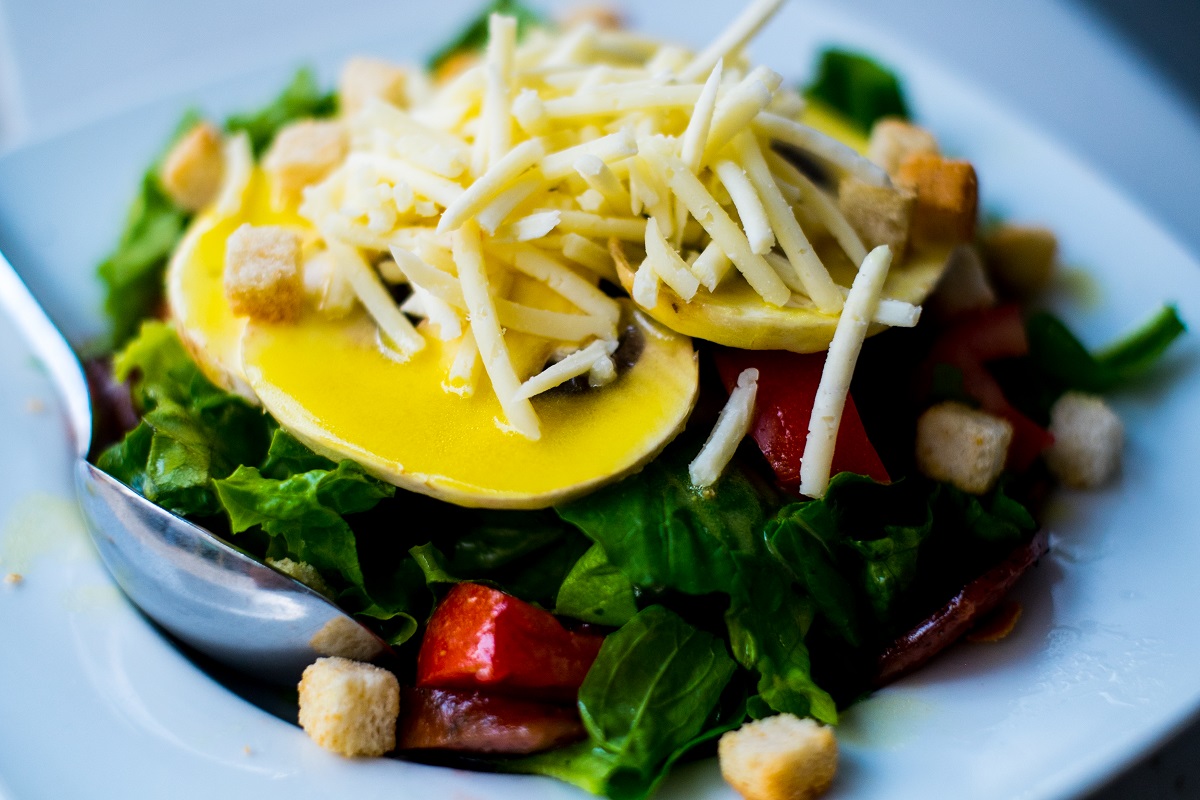
Kasseri is one of Greece’s most popular cheeses, with a long history and widespread consumption throughout the country.
Recognised as a Protected Designation of Origin (PDO) product under Greek legislation since 1994, Kasseri is a semi-hard cheese traditionally produced in Macedonia, Thessaly, Lesvos and Xanthi.
It is made from sheep’s milk or a mixture containing up to 20% goat’s milk, sourced exclusively from the designated geographical areas. Both production and maturation take place within these regions.
Fish and Seafood
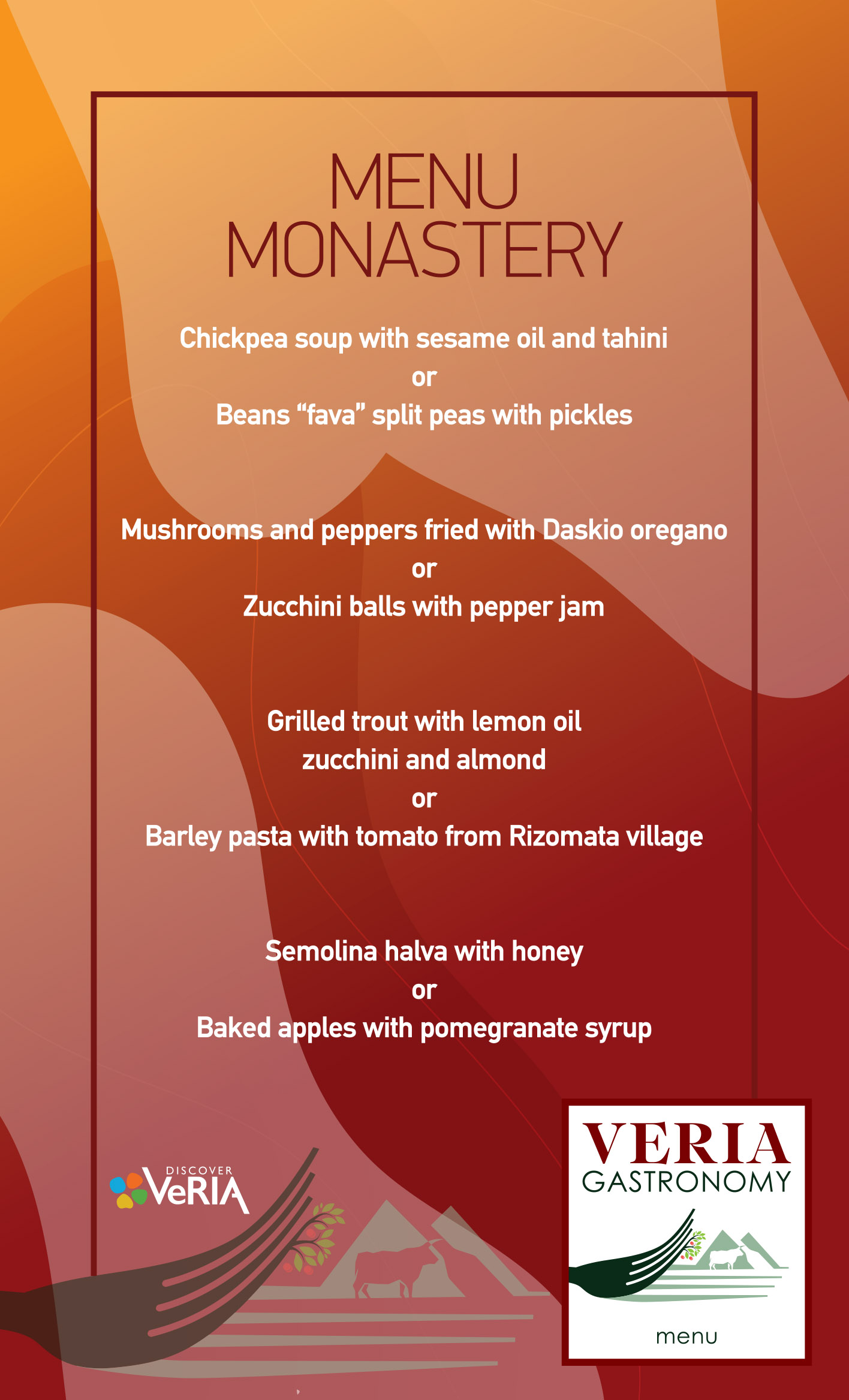
Trout
Trout thrives in cold, clean and well-oxygenated waters. Its ideal water temperature ranges between 12 and 15°C, while its growth slows considerably in very cold waters below 4°C.
Trout is highly adaptable to the characteristics of its natural habitat. It has a slender body covered with small scales and a large mouth containing small teeth, even on its tongue.
Its colour varies according to its diet, water depth and surrounding environment, providing natural camouflage. Some trout can exceed one metre in length and reach a weight of 10 kilograms.
During the breeding season, trout migrate upstream towards their spawning grounds, usually beginning in autumn and reproducing during winter. As water temperatures rise, they move downstream or into lakes in search of deeper, cooler waters.
Mountain streams, rivers and lakes with clean, cold and well-oxygenated water provide ideal habitats for trout.
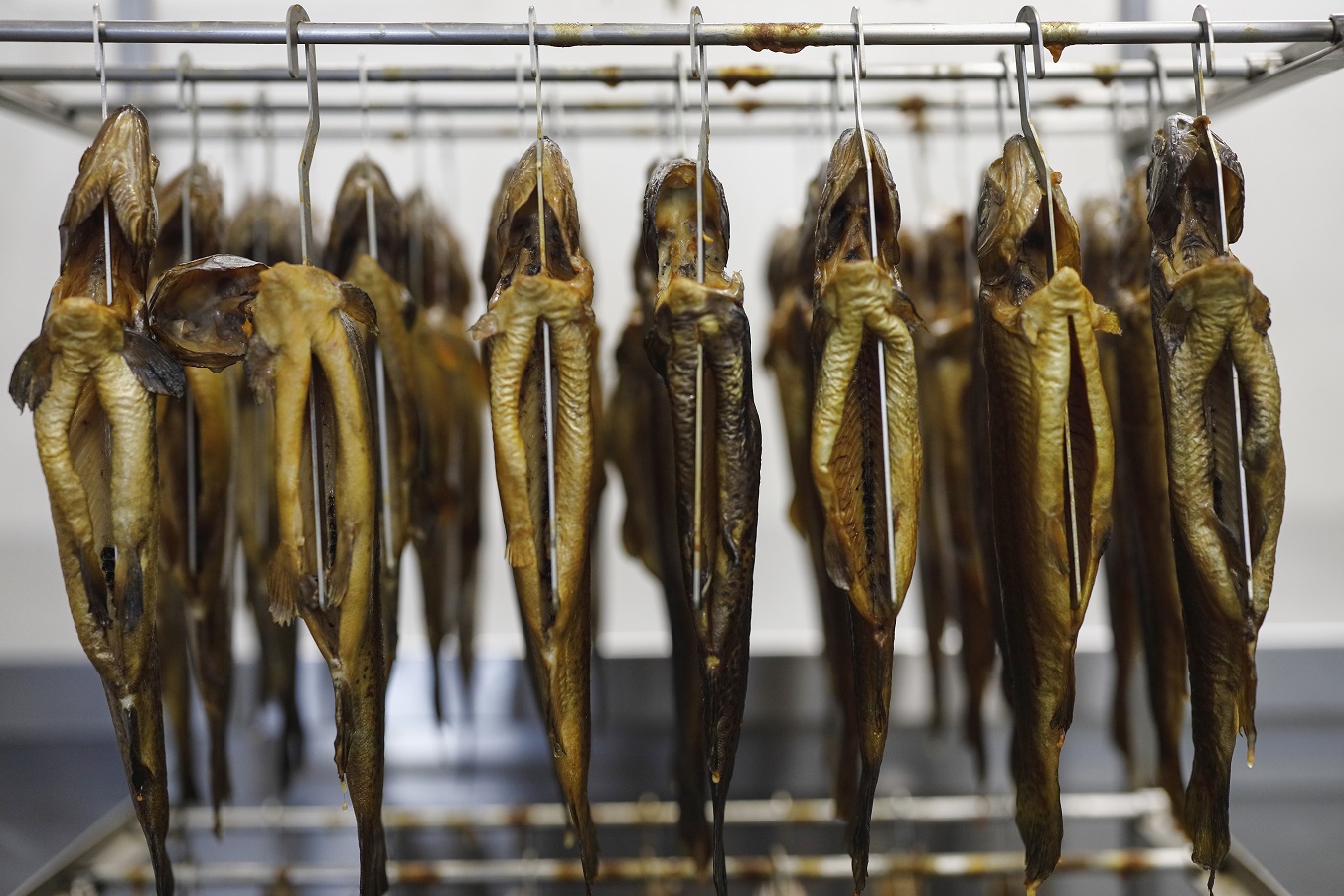
Trout is farmed in the Veria region and is also processed into smoked trout, a distinctive local delicacy.
Blue Crab
In recent years, large blue crabs have become increasingly abundant in the Thermaic Gulf, particularly around the estuaries of the Axios and Aliakmon rivers and in the Bay of Methoni.
This introduced species is a dominant predator that has brought significant changes to the coastal ecosystem. At the same time, it is highly valued for its gastronomic qualities and is available in considerable abundance.
The blue crab, scientifically known as Callinectes sapidus, is a non-native Mediterranean species commonly found in coastal waters and river estuaries.
Local Products of Veria